FAQ
What is the business value of reverse logistics?
Efficient reverse logistics recovers resale value, reduces write-offs, improves customer satisfaction through hassle-free returns, and delivers sustainability gains by keeping products in circulation longer.
How is a return graded?
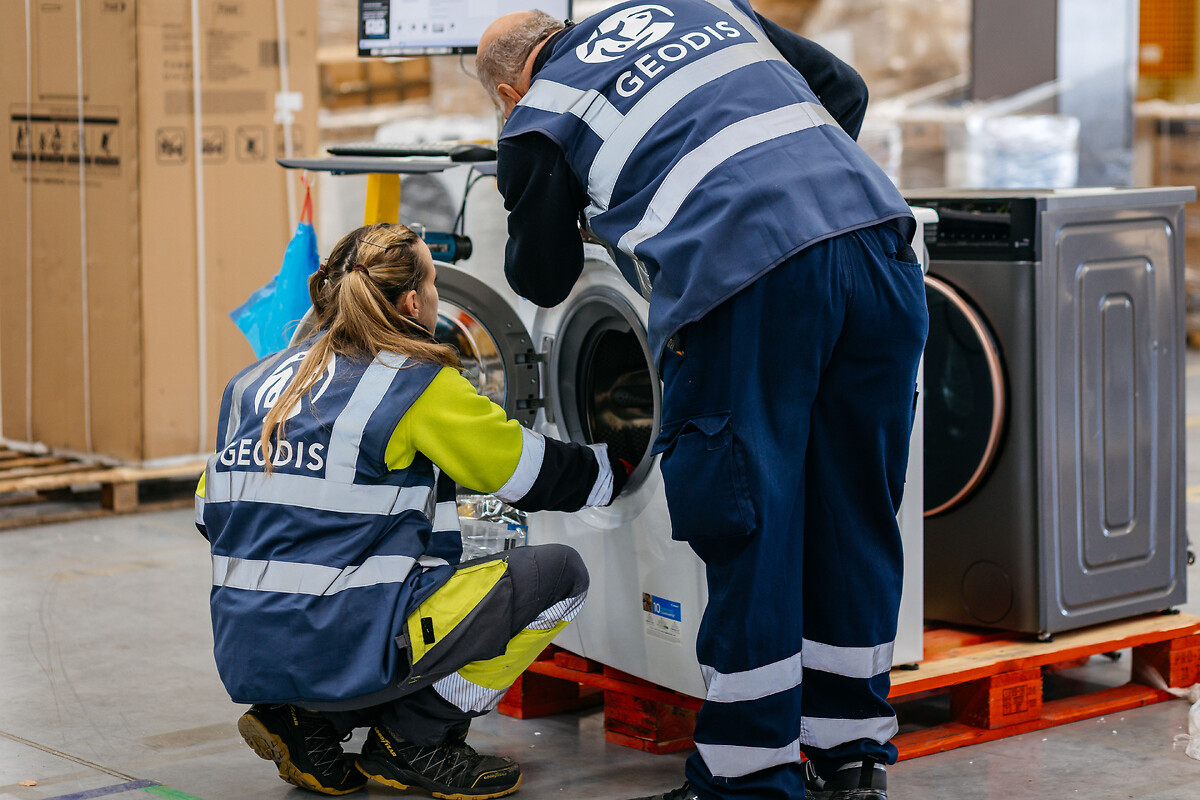
Items are visually and functionally inspected, then classified commonly as: A (new/like new), B (minor cosmetic defect), C (functional repair needed), or D (recycle/dispose). Each grade has a predefined disposition route.
What technologies reduce reverse-logistics costs?
Automated sorters, machine-vision defect detection, robotics that de-package goods, and AI prediction models that route returns to the nearest available triage hub all cut handling time and freight miles.
How do reverse logistics and sustainability intersect?
By extending product life through repair and refurbishment, extracting recyclable materials, and avoiding landfill, reverse logistics directly supports circular-economy targets and Scope 3 emissions reductions.
Can reverse-logistics operations be outsourced?
Yes: specialists like GEODIS provide end-to-end programs that include transportation, triage, repair, recommerce, and reporting, giving brands scalability without capital expense.