
Frequently asked questions about peak-season fulfillment
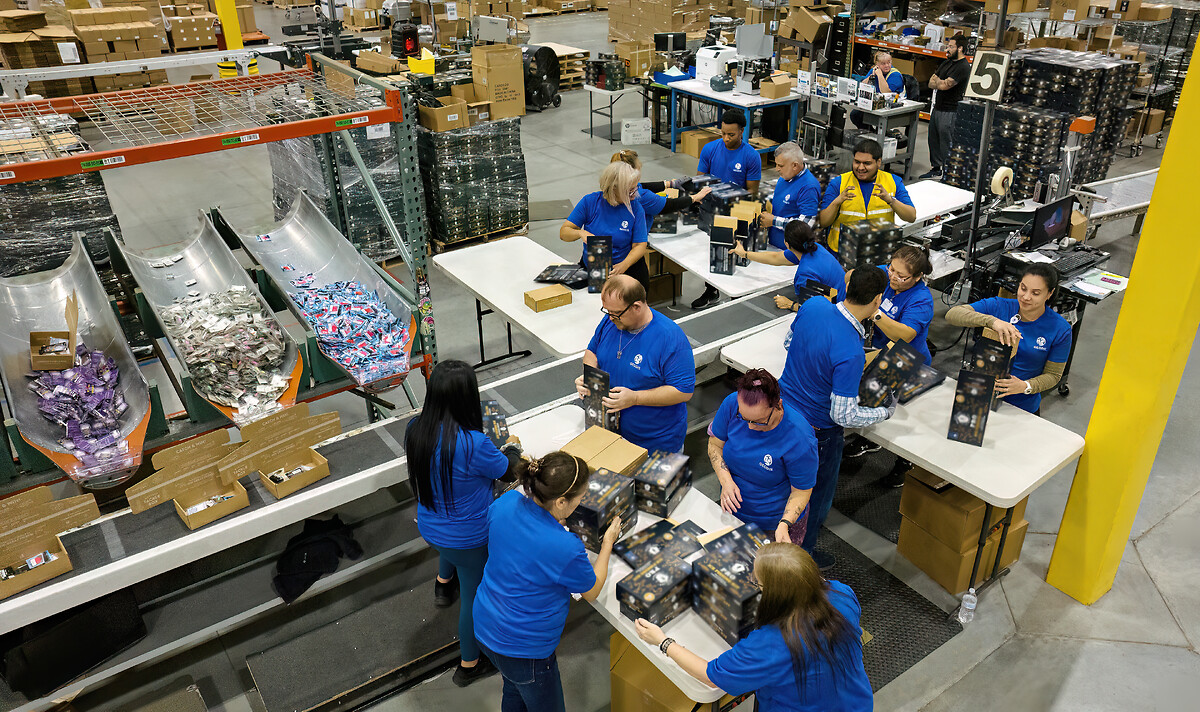
There's no single number that applies across every business, since it depends on your baseline volume, product mix, and how concentrated your peak really is. What matters more than a specific multiplier is whether the network has a real mechanism for adding capacity when volume jumps, rather than just hoping existing headcount and space stretch far enough. A network built around pop-up facilities, shared campus labor, and overflow coordination between sites is designed to flex with the surge instead of capping out at whatever the "normal month" footprint happens to be.
Earlier than most companies assume. Standing up a brand-new fulfillment operation through a program like GeoLaunch takes 60 to 90 days, which means a September start is already cutting it close for a holiday go-live. Even for shippers with an existing network, decisions around added capacity, labor planning, and technology headroom work best when they're made months ahead, not once volume has already started climbing. If you're asking the question in October, the answer is: right now.
Pop-up facilities are built specifically to prevent that trade-off. They're deployed to add capacity without pulling resources, labor, or attention away from existing operations, and they connect into the same overflow coordination and technology systems that run the rest of the network. The goal is additional throughput without a separate, lower standard of service just because the facility is temporary.
This is exactly what overflow coordination is designed to solve. Rather than each facility operating as its own island (and living or dying by its own capacity that day) volume gets actively routed between sites so headroom elsewhere in the network gets used instead of sitting idle while one location falls behind. It only works if that coordination is built into the operating model in advance, which is why it's worth asking a provider how this actually happens rather than assuming it does.
It's harder, but not necessarily too late, depending on what "prepare" means. Standing up a brand-new operation from scratch in the middle of a surge isn't realistic. But adding overflow capacity to an existing relationship, or bringing in a pop-up facility for a specific crunch, can happen on a much faster timeline than a full new implementation. The honest answer is that your options shrink the closer you get to the peak, which is the core argument for starting the conversation early rather than reactively.