Keepeek
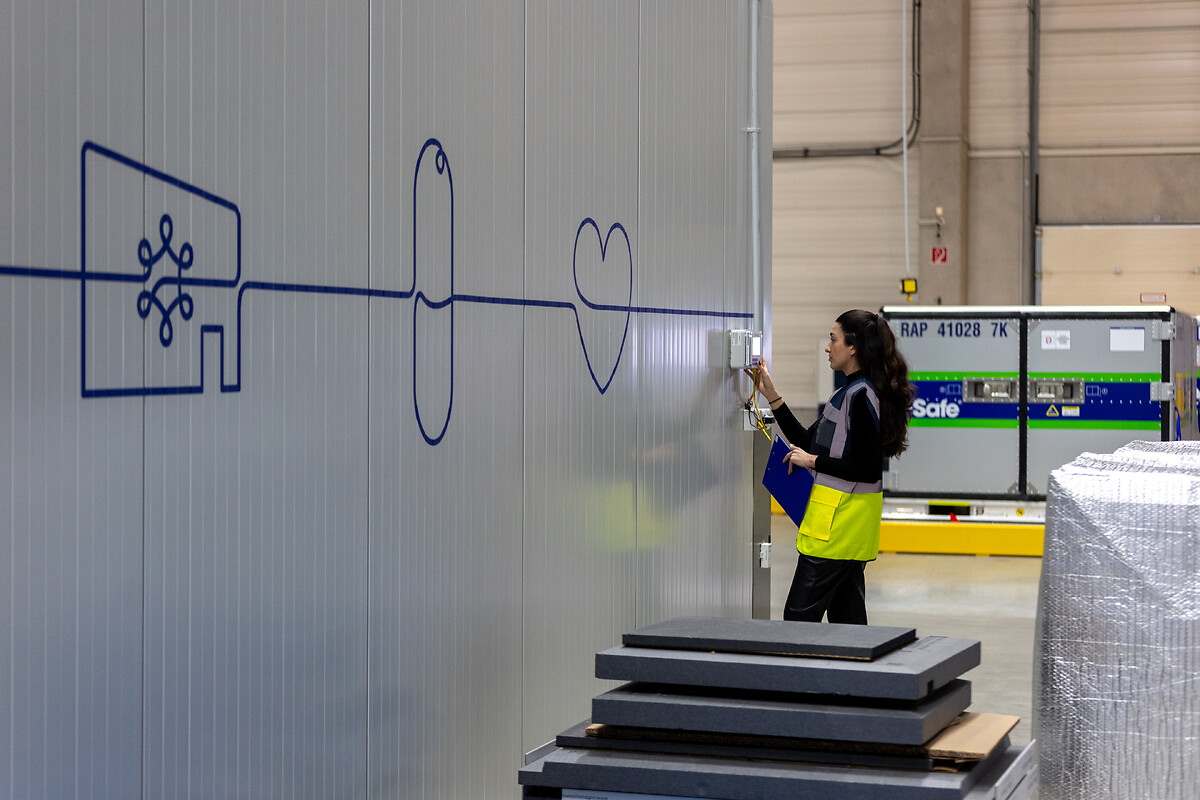
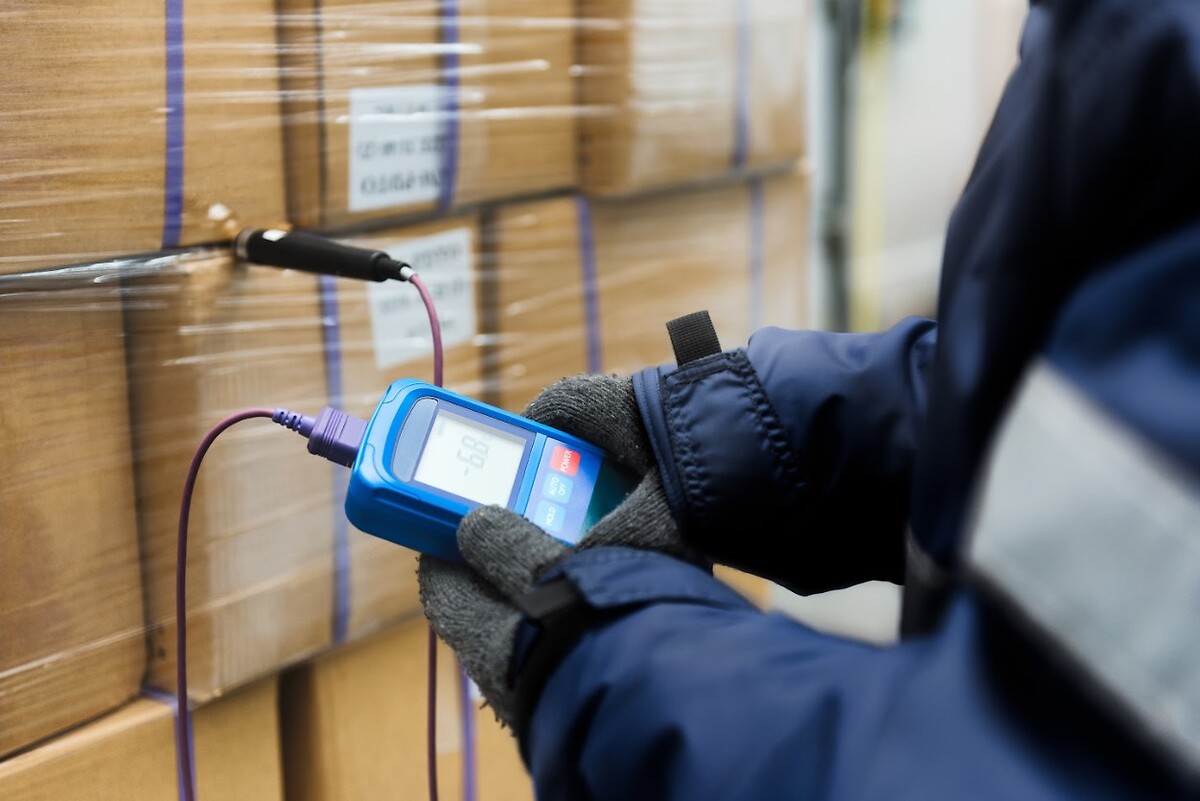
Collaboratrice GEODIS vérifiant la régulation termique de l'entrepôt, site "Pharma cross-dock", Rodgau

08/24/2026

Cold Chain Logistics: Temperature Ranges, Standards, and What Might Go Wrong

Cold chain logistics is about more than keeping products cold. Products need to be kept within a temperature range that has a floor as well as a ceiling, and proving that is essential.

Cold chain logistics seems to be all about keeping products cold, but that’s not the whole picture. Instead, it’s more helpful to understand that a temperature-sensitive product doesn’t just have a maximum temperature. Each product has a temperature range with both a floor and a ceiling. A shipment can fail by getting too cold just as easily as it can by getting too warm, and there’s no one-size-fits-all approach.


Bruno Palmieri, SVP of Healthcare Operations at GEODIS puts it clearly, “If you try to standardize too much, you run the risk of placing the product in jeopardy from a viability standpoint. We can't make a blanket statement and say everything needs to be temperature controlled. There are medications that may not have specific temperature requirements, but if the temperature fluctuates, they could lose their efficacy.”


This guide covers what those temperature ranges actually are and how they’re decided. It describes what a “temperature excursion” is, together with monitoring and what buyers should look for when they’re seeking a cold chain logistics provider. 

Key takeaways


  • Cold chain logistics involves keeping a product within a defined temperature range, not just keeping it cold

  • These temperature ranges have both an upper and a lower limit, and freezing damage is a real and under-addressed issue

  • "Frozen" does not mean one temperature, the number that matters is the temperature range on the product label

  • A shipment that goes out of its temperature range is not automatically ruined, but proving it is viable requires a complete temperature record

What is cold chain logistics?

Cold chain logistics keeps products at a certain temperature range throughout storage, handling, and transportation. Those controlled temperatures apply throughout a product’s journey, from manufacturing through to the point of use. 


Cold chain logistics is based on three main components:


  1. Cold chain storage keeps products between a set range of temperatures in a warehouse, cold room, or refrigerated unit
  2. Cold chain transport carries products in vehicles and containers that can hold those temperature ranges for the duration of the journey
  3. Temperature monitoring and documentation record the actual temperature that the products were held at and provide an audit trail


The first two components are clear, but the third is what makes the first two provable. A shipment that arrives in good condition and a shipment that arrives with no temperature record are not the same. Only the one with an accurate temperature record can be released with confidenceWHO's guidance says the receiving site has to confirm the product stayed in range before it goes anywhere. 


Cold chain logistics might also be referred to as temperature controlled logistics, although that term is broader, and also covers controlled room temperature ranges as well as refrigerated and frozen. 

Keepeek
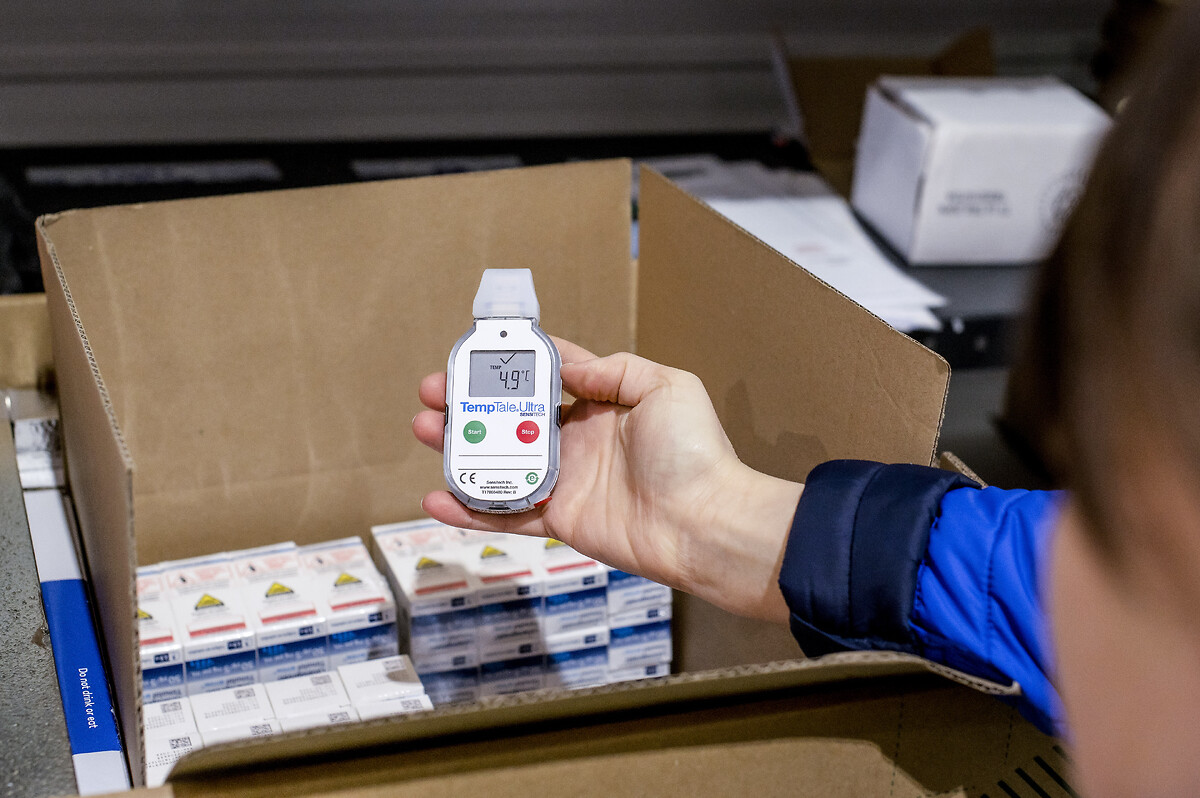
Contrôle de la température pour le transport des boîtes de médicaments via Datalogger / Process pharmaceutique / Gestion de la chaîne du froid

Why is cold chain logistics important?

Cold chain logistics matters because temperature damage is normally invisible. If a product is stored outside of its temperature range, it can lose potency or experience other issues. There might not be anything indicating a problem at the receiving end. 


That's what separates temperature-controlled products from ordinary freight. When standard products are delivered, the damage is clear on inspection. When it comes to temperature-sensitive products, nothing announces itself, protection has to be built into the entire journey. 


What are cold chain temperature ranges?

Most temperature-sensitive products fall into one of two ranges, either refrigerated or frozen.


  1. Refrigerated products are typically kept at around 5°C ±3°C.
  2. Frozen products are typically kept at around -20°C ±5°C.


These figures are sourced from the FDA’s guidance for industry and are typically the conditions that manufacturers will test products against before the product is approved. The testing is what the storage instruction on the label is based on. 


Refrigerated temperatures of 5°C ±3°C cover many of the products that run through healthcare supply chains. This includes vaccines, insulin, and a range of biologic pharmaceuticals.


For products that need to remain below -20°C, the guidelines stop giving a general figure. Instead, those products are handled on a case-by-case basis. Anyone shipping them will be working to manufacturer specs rather than the standard frozen one. 


These colder ranges are in frequent use. Ultra-cold storage requires temperatures well below the frozen range and is suitable for certain biologic products. Cryogenic storage is even colder and is used for cell and gene therapies. 


Do storage and transport need the same temperature?

The temperature range for storing a product and the range for moving it are set separately by the manufacturer, and they’re not always the same. A product might need to be held at one temperature range in a warehouse and transported at a different temperature range. The WHO’s guidance on moving and storing temperature-sensitive medicines provides more information. 


Both storage and transport ranges come from the manufacturer's testing. That’s why a product’s spec sheet can carry two numbers rather than one. In storage, conditions are stable and monitored. During transportation, products are often exposed to more risk due to environmental factors, handovers, and delays.

Ready to talk through your temperature-controlled requirements? Get in touch with GEODIS.

Why cold chain logistics has a floor as well as a ceiling

The cold chain has a lower limit as well as an upper one, so freezing is a way that a shipment can fail. Most cold chain thinking is built around one concern: the product getting too warm. It’s an obvious risk, and it drives many decisions, processes, and equipment. But, heat isn’t the only risk, and temperatures that are too low are just as much of a risk as ones that are too high.


The WHO builds lower temperature limits into its requirements in two places. Storage in cold climates often has to carry protection against dropping below the lower limit. Frozen gel packs keep products cold during transportation, but they can also damage what they’re protecting. Containers must be packed so that freeze-sensitive products stay above 0°C. 


While the rules are clear about the dangers of cold for products, in practice, freezing happens more than you might expect.


Research on this comes mostly from vaccine supply chains. The products are refrigerated ones, meant to be held between 2°C and 8°C. Freezing is below their permitted range, so any drop to freezing is a failure. 


A review of published research in the journal Vaccine looked at several areas, including storage and transport in richer and poorer countries. Across those areas, the share of refrigerators or shipments that exposed products to freezing temperatures ranged from 14% to 35%. A follow-up review ten years later found that the problem had not gone away. 


Cold chain systems are designed to beat the heat. Frozen gel packs, deeply chilled compartments, and generous safety margins all cut the risk of a product getting too warm. At the same time, they raise the risk of it getting too cold. Solving one problem creates the other.


This is what Bruno Palmieri was describing earlier. A product that has no strict temperature requirement can still be damaged if the temperature swings around. Stability is the target, not coldness.

Keepeek
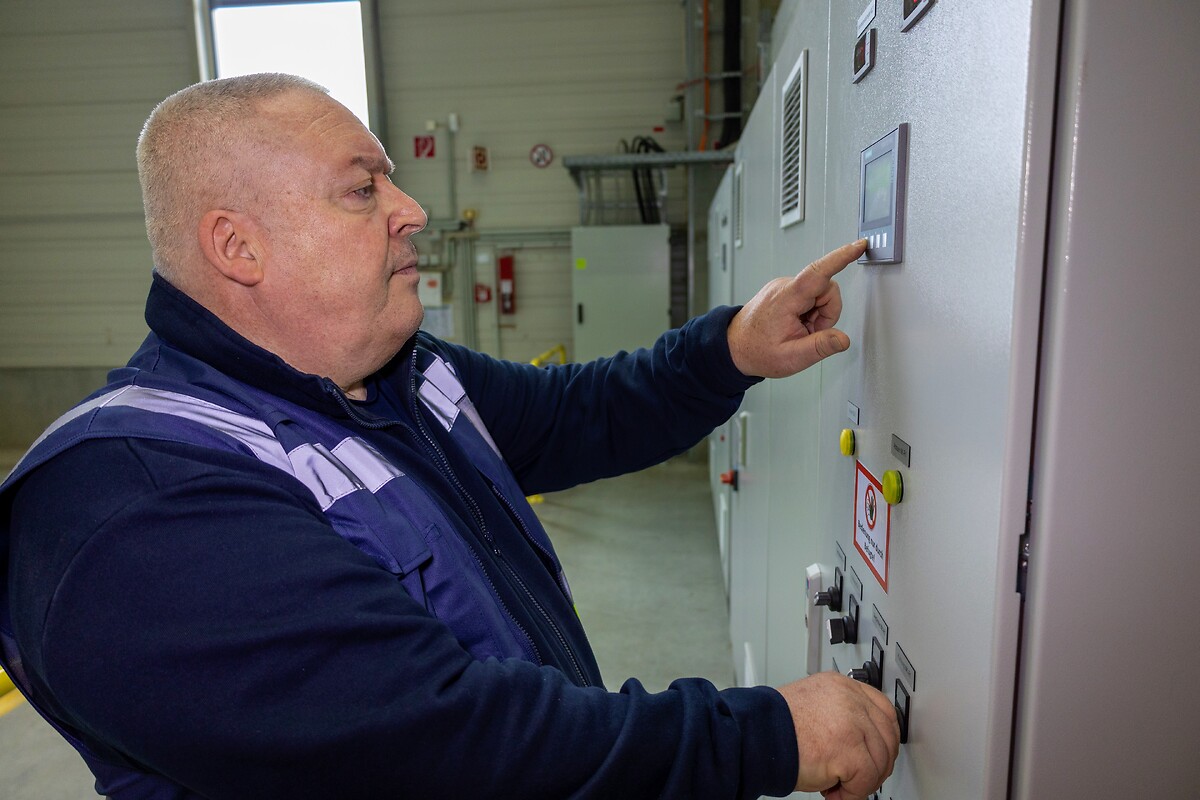
Un collaborateur GEODIS vérifie le réglage de la température de l'entrepôt frigorifique au "Pharma cross-dock" de Rodgau

What is a temperature excursion?

A temperature excursion happens when a product goes outside the temperature range it’s supposed to be kept in. A shipment that gets too cold has had an excursion just as much as one that gets too warm.


The term covers a wide range of events. A few minutes slightly outside the range during a handoff is an excursion. So is a weekend in a freezer that failed. What separates them isn’t whether they happened but what that did to the product.


Instinct says that every excursion should be treated as a write-off, but that instinct is expensive. A shipment that goes out of its temperature range isn’t automatically ruined. Whether the product is still viable depends on three things: 


  1. How far outside the range it went.
  2. How long it stayed there.
  3. What the manufacturer's own testing says the product can tolerate. 


Some products can handle being at the wrong temperature for a few minutes or hours. Others cannot.


The excursion itself isn’t the decision point. That decision comes afterward. Someone with the right authority can look at what actually happened and figure out if the product can still be used. They can only make that decision if there’s a complete temperature record. 

Keepeek
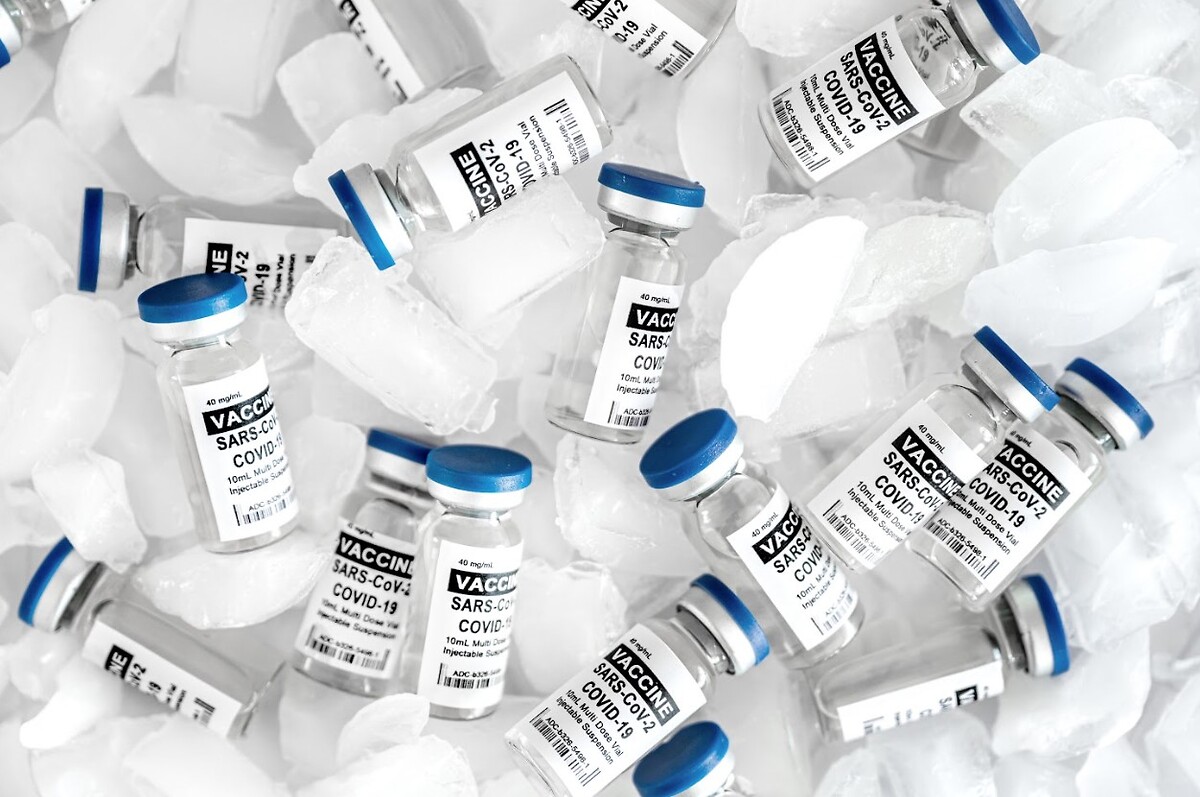
healthcare_vaccine_cold_storage2

How does cold chain monitoring work?

Cold chain monitoring records temperature, and sometimes location, across a product’s journey. The WHO has monitoring standards that need to be followed:


  • Electronic sensors must be accurate to within half a degree
  • Records must be checked twice a day, every day
  • Continuous recording is preferred to spot readings
  • Everything must be calibrated against a certified and traceable reference standard at least once a year
  • Loggers and freeze indicators should travel with the shipment with the status recorded on arrival


Monitoring is a way to prevent problems, but its most important task is to produce the record. Understanding temperature excursions is only possible with accurate monitoring. Without that record, an excursion has no answer, and the only option is to dispose of the product.


GEODIS monitors product and shipment locations and conditions through a centralized control tower. We store temperature-controlled products using CSafe container systems and track the chain of custody across the journey.

Want to see how your temperature records would stand up? Get in touch with GEODIS.

What are the requirements for cold chain logistics?

In the U.S., there isn’t a single cold chain rulebook. Instead, requirements come from several directions, and a compliant operation must meet all of them:


The practical impact is that cold chain compliance is assembled rather than certified. No single approval covers it, which is why buyers usually assess a provider on its certifications, licenses, and records.


Do cold chain requirements differ outside the U.S.?

Shipments that are crossing borders must meet additional requirements. In the EU, Good Distribution Practice guidelines put the responsibility for temperature control on the distributor. 


The guidelines state what this means in practice: 


  • Storage areas must be temperature mapped before use. 
  • Monitoring equipment in vehicles and containers must be calibrated at least once a year.
  • Delivery routes must be risk assessed to work out where temperature controls are needed. 
  • If an excursion happens in transit, it has to be reported to both the distributor and the recipient.

What certifications should a cold chain provider hold? 

A cold chain provider must be fully compliant with all certifications. Here are the certifications and accreditations that GEODIS holds in the U.S.:


  • ISO 9001 for quality management
  • ISO 13485 for medical devices
  • ISO 14001 for environmental management
  • ISO 45001 for occupational health and safety
  • GMP and GDP standards for pharmaceutical handling
  • NABP Drug Distributor Accreditation
  • FDA registration for drug and device repackaging and relabeling
  • Medical device and pharmaceutical licenses in every state that requires them
  • HIPAA-compliant handling for protected health information


These standards cover the ground that no single U.S. approval covers on its own: how facilities are run, how medical devices are handled, how pharmaceuticals are stored and distributed, and how patient data is protected.

Keepeek
temperature_controlled_cold_chain_healthcare_storage

What makes the pharmaceutical cold chain different?

Pharmaceutical products operate under specialized rules: 


  • The temperature range a product needs comes from that product's own testing, not from a general category
  • Every handover has to be written down rather than assumed
  • If a shipment goes out of range with no record of what happened, it is treated as a failure


That’s why pharmaceutical products normally need purpose-built space rather than general cold storage.


GEODIS runs a cold chain cross-dock in Chicago with 5,200 square feet of temperature-controlled space. It’s split into two temperature zones: 4,600 square feet are held between -15 and -20°C, and 600 square feet are held between 2°C and 8°C. The site is a bonded facility near O'Hare International Airport. Shipments can clear customs there rather than sitting elsewhere while the paperwork catches up.


GEODIS has more than 30 years of experience in final-mile medical logistics, delivering and handing over cold chain products to doctors, clinics, pharmacies, and other providers.


What to ask a cold chain logistics provider

The question isn’t whether a provider can keep your product cold. Most can. It’s whether they can hold the range your product needs, show you they held it, and give you a straight answer when something goes wrong.


Three questions get at that quickly:


  • Where does the temperature range come from? You want the answer to be your product's label, not the provider's standard categories.
  • What stops our product from getting too cold? Freezing is the failure that gets planned for least often, so it’s worth hearing a specific answer.
  • If a shipment goes out of range, what will we have to work with? A continuous record across the whole journey lets you decide whether the product is still good.


If a cold chain logistics provider can answer all three questions clearly, then you’re talking to someone who works from your product rather than their process. 

If you are working through these questions for your own supply chain, our healthcare distribution team can walk you through how we would handle your product. Get in touch with GEODIS.

FAQs about cold chain logistics

There isn’t a single answer. The two standard ranges are refrigerated at 5°C ±3°C and frozen at -20°C ±5°C, and the correct range is the one on the product label.

Cold chain is generally used for products needing refrigeration or colder. Temperature controlled is broader and includes controlled room temperature ranges.

Often, yes, if the temperature record supports it. The answer depends on the product's stability data and on how far and for how long it went outside its temperature range.

Conditions maintained within acceptable limits during transport, facilities mapped before use, transport qualified, and deviations documented and investigated.

Ranges well below the frozen band, used for certain biologic products, with cryogenic ranges colder still for cell and gene therapies.

Ask for certifications, calibration records, temperature mapping evidence, and an example of how an excursion was investigated and closed.

Not the carrier. Under US federal rules on prescription drug distribution, a drug whose storage or shipping conditions cast doubt on its quality has to be destroyed or returned to the supplier, unless examination or testing proves it still meets standards. That assessment sits with the distributor's or manufacturer's quality function, working from the product's stability data. A logistics provider supplies the temperature record that makes the assessment possible, not the verdict. 

There is no general answer, and any provider offering one is guessing. The tolerance comes from the manufacturer's own stability testing. FDA's stability guidance requires manufacturers to test what short-term excursions outside the label storage condition actually do to a product, and that testing is what sets the allowance. Some products tolerate hours. Others tolerate almost nothing. 

A study that records how temperature behaves across a whole storage area rather than at a single sensor. It is done before the area is put into use, under realistic conditions, so that monitoring sensors sit where the hot and cold spots actually are.

Active systems use power to hold a temperature under thermostatic control, such as cold rooms, refrigerated trailers, and refrigerated air containers. Passive systems use no power, holding temperature with insulation and a fixed amount of pre-cooled material such as gel packs, phase change materials, or dry ice. Passive systems have a finite hold time, which is why the length of the route decides which one is appropriate. 

About GEODIS

GEODIS is a global third-party logistics provider with more than 100 years of experience and operations in 120+ countries. From freight forwarding and customs services to warehousing, transportation management, and final-mile delivery, GEODIS helps businesses solve complex supply chain challenges at every scale. In the United States, GEODIS operates more than 50 million square feet of warehousing space alongside a nationwide transportation network.


The guide offered on this site is for general informational purposes only, and does not constitute, and should not be considered, to be legal advice or other advice specific to your company's circumstances. The information herein is presented without any representation or warranty, including as to the accuracy or completeness of the information presented.

Keepeek
Paul Maplesden

Paul Maplesden

Lead Content Strategist

Paul deeply researches logistics and supply chain topics to create helpful, informative content for our US audience. Read Paul's work in the GEODIS blog, our in-depth GEODIS Insights reports, and our case studies and white papers.