FAQs about third-party logistics
A warehouse run by a third-party logistics provider on behalf of its clients, rather than by the business that owns the goods. For you, that means no lease, no hiring, and no equipment to buy.
A longer-term arrangement where a provider runs a dedicated or shared operation for you under contract, rather than you buying transportation or storage transactionally. The practical difference is what you are buying: a transaction gets you a service, a contract gets you capacity that is held for you.
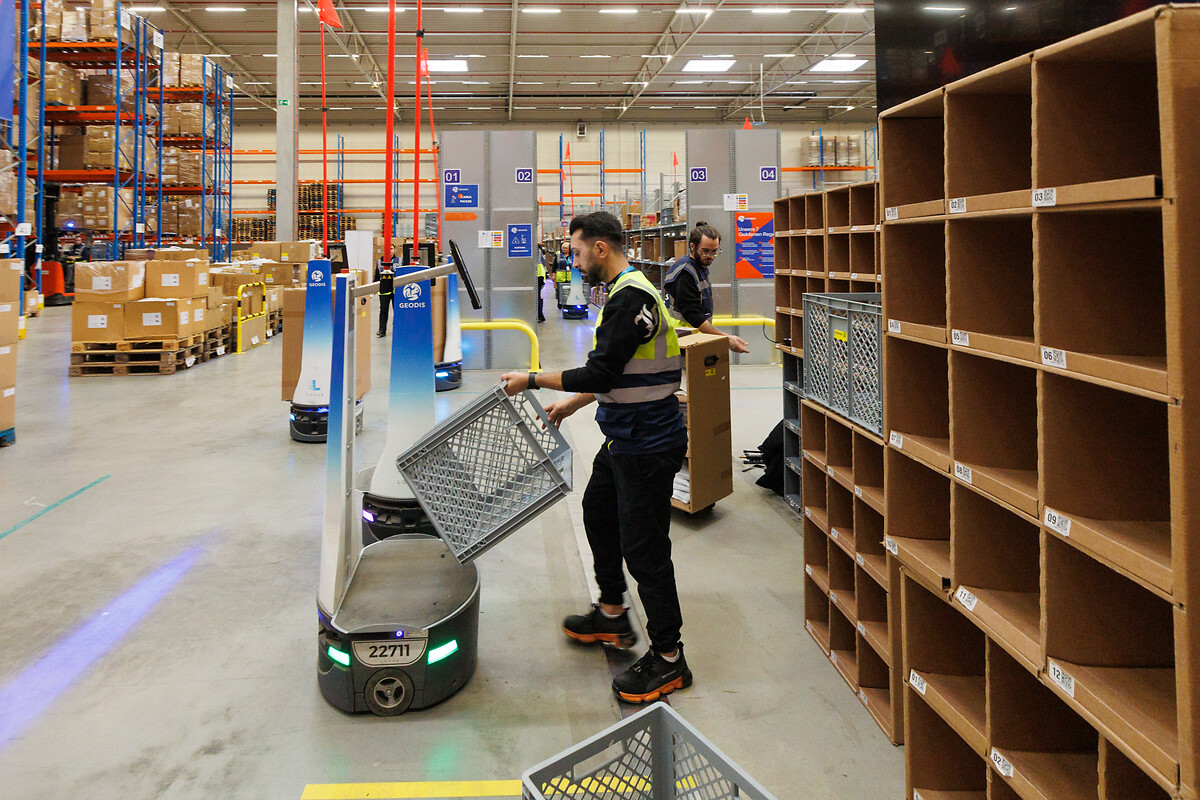
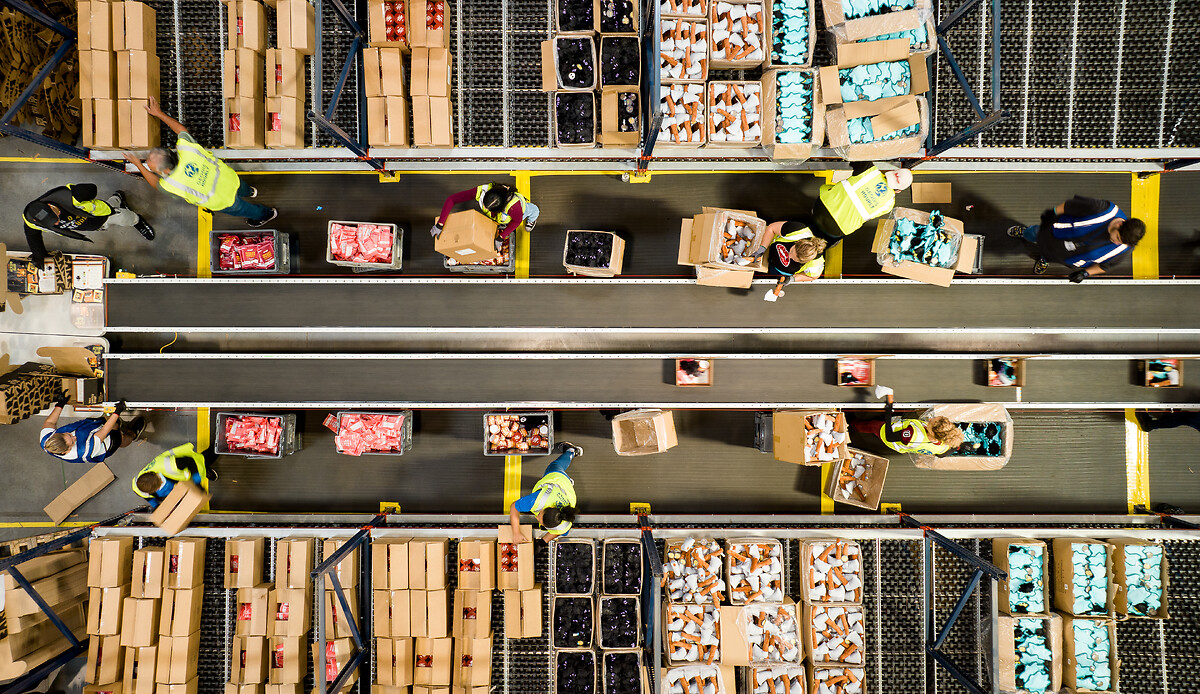
Selecting individual items from storage to fill a customer order, then packing them for shipment. It’s the single most labor-intensive thing that happens to your products, which is why the number of lines in a typical order matters to your costs.
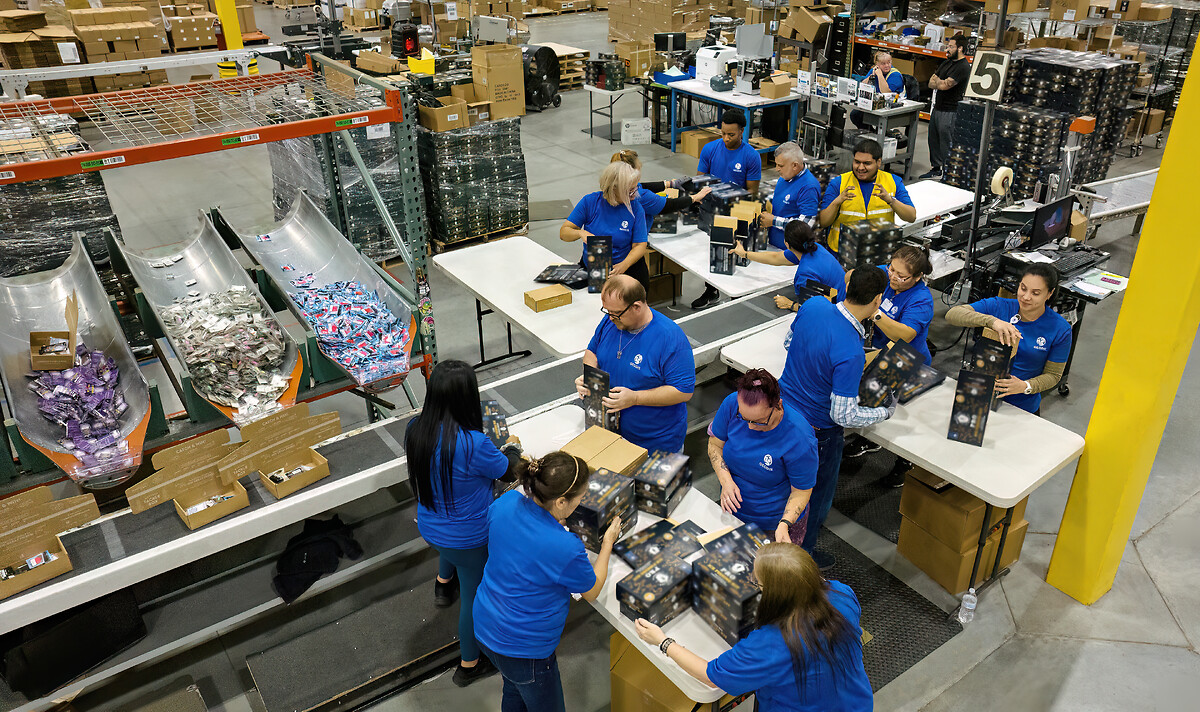
Assembling separate items into a single unit before it’s sold or shipped. Subscription boxes, gift sets, bundles and retail display units are all kitting. It’s worth asking about early if you run promotions or seasonal bundles.
Everything that happens to a product after a customer sends it back: receipt, inspection, a decision about its condition, then restocking, refurbishment or disposal. If your category runs high return rates, ask how returns are priced before you compare quotes.
There is no standard list price, because a quote is built from your business rather than from a rate card. What you can work out in advance is what moves it: how many services you need, how much labor and space your volume consumes, how complicated your goods are, and what you can commit to. Two providers looking at the same volumes will price them differently, and the reasons are usually visible in the questions they ask you.
Judge them on what you can verify rather than what you are told. That means the certifications relevant to your products, their performance figures from your peak rather than their annual average, how many clients renewed last year, and whether they will tell you plainly what they cannot do. A provider that publishes the conditions on its own service levels is handing you something checkable.
Through an integration between your order system and their warehouse system, usually built during the implementation. Most providers connect either by EDI, which is the long-established standard in retail, or by API for newer ecommerce platforms. The question worth asking is not whether they can integrate, but what they already connect to, because an integration that exists is faster and cheaper than one that has to be built.
More than you might expect, which is why it is worth asking about before you start rather than when you want to leave. A transition involves moving physical inventory, rebuilding the systems integration, and reconciling stock records between two operations. Ask about notice periods, how long a transition takes, and who owns your data at the end of it.
Outsourcing makes sense when your volume outgrows the space, labor or systems you can run yourself, and when the capital you would spend on a building is better spent on the business. It makes less sense when volumes are small enough to handle in-house, when your handling is unusual enough that no standard operation fits, or when logistics is close enough to your product that you would rather own it. Plenty of businesses run their own fulfillment for years.